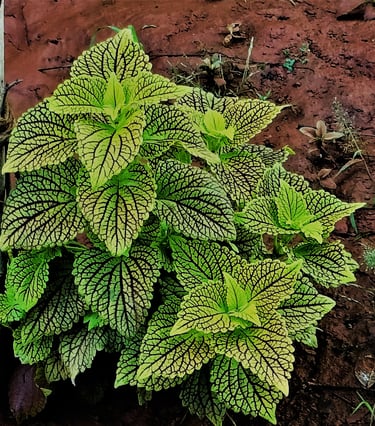
Cultivation of Turmeric
Blog post description.
CROP CULTIVATION
2/21/20266 min read
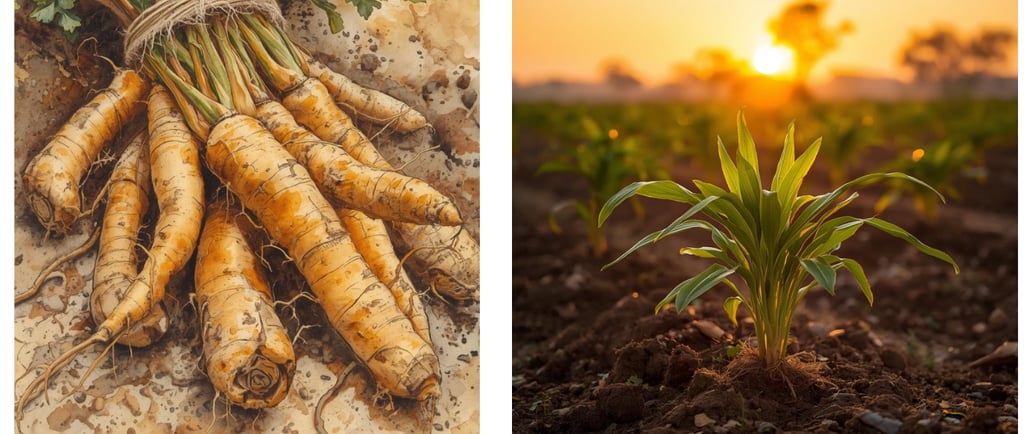
CULTIVATION OF TERMERIC
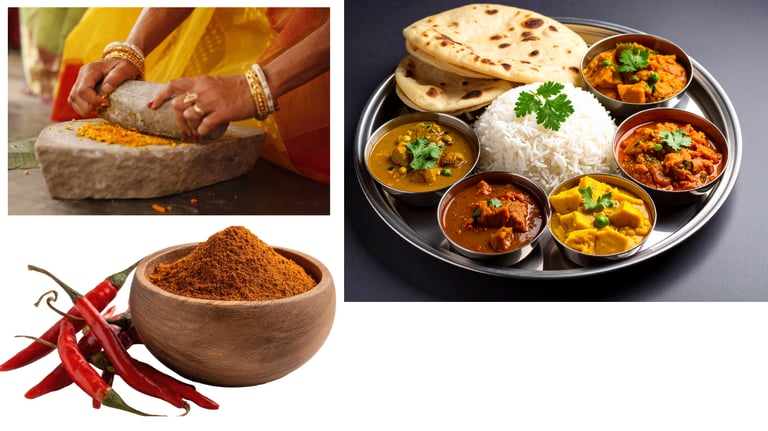
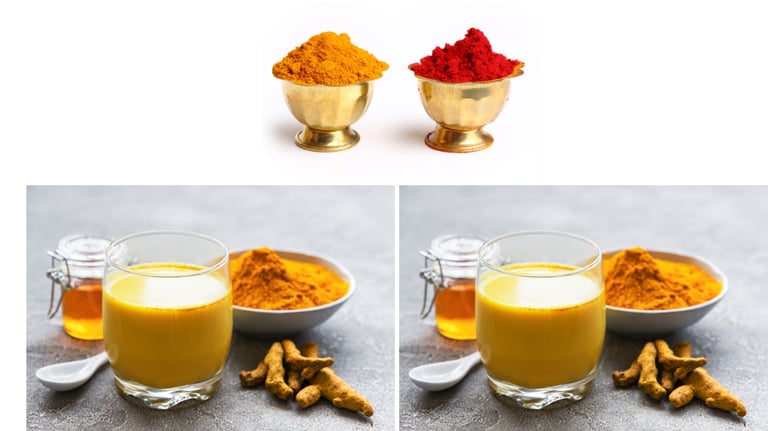
Turmeric, an orange yellow powder, a popular ingredient of Indian and Asian cuisine, obtained from rhizomes of plant Curcuma longa L. The spice adds natural color and flavors to variety of dishes like curries, Pickles, Sauces, dairy product and baked items. Most of the Hindu rituals remain incomplete in the absence of turmeric powder along with Kumkum, a red sacred powder to symbolize auspiciousness. Presence of Kumkum on their forehead or between parted hair is essentials and identity of married Hindu women. Not only at household, turmeric is also known for its industrial use. In food and beverage industries turmeric is used as natural coloring and flavoring agent. With clinically proven medicinal quality, the turmeric also widely used in variety of Ayurvedic formulations. Being bestowed with anti oxidants and anti-microbial properties, the turmeric is used widely in cosmetics and skincare industries.
Scenario of worldwide cultivation of turmeric:
India is the largest producer of turmeric, contributing around 70-80% of total production. Other countries contributing turmeric production are China, Myanmar, Nigeria, Bangladesh. India is the biggest exporter of turmeric too, either in the form of processed rhizome or value added products. Major importer of turmeric from India is UAE, importing 18-20% of the total, followed by USA. In India major Turmeric cultivating state is Maharashtra followed by Karnataka and Tamilnadu.
Climatic and Soil requirement for turmeric cultivation
Turmeric is a tropical crop which thrives well in warm- humid climate and prefers temperature of 20–30°C along with annual precipitation more than 1500 mm. The crop can sustain temperature up to 35 °C, the temperature in excess along with lower humidity affect the growth of the plant. Soil selected to cultivate the crop should ensure proper growth of the plant along with rhizome formation and development. Thus red loamy or sandy loam or clay loamy soils are considered as best. Soil pH should be within the range of 4.5 to 7.5. The crop does not tolerate condition of waterlogging and soil alkalinity.
Cultivation aspects of Turmeric
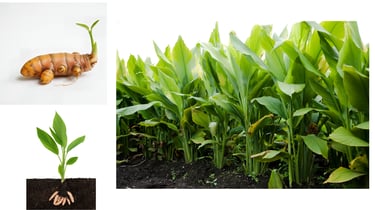
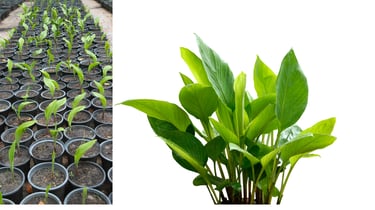
Rhizome is the propagation material in case of turmeric with a requirement seed rate up to 2000-2500 kg to cultivate a hectare. Whole or split fingered rhizomes are used for sowing. In case of splits, at least one healthy bud is ensured for each piece. Either raised or flat bed or ridges and furrow methods are used for sowing, depending on type of soils. In light soil, raised bed with 10 cm height of suitable dimension are prepared and planting of rhizome with 20cm x 30cm space is done. In Heavy soils, ridges and furrows are prepared at a distances of 45- 60 cm and rhizomes are sown at 15 to 20cm apart on ridges. On loamy soil, rhizomes are planted on furrows prepared at 30 cm apart on which rhizomes are planted at 15 cm space.
Plant Protection in Turmeric Cultivation
Diseases and their management:
Being warm humid crop, turmeric become susceptible to quite a few number of diseases, especially fungal counterpart. Important among them are, leaf blight, leaf spot, leaf blotch and rhizome rot.
Leaf blight: The disease Caused by fungus Rhizoctania solini, the same is characteristics of appearance of necrotic spot with papery white center on leaves. Under severe condition entire plant looks blighted. The illness can be managed by spraying with mancozeb 0.2% or copperoxychloride 0.25%.
Leaf spots: The ailment is symptomatic of appearance of brown small irregular spots with pale or whitish centre, which later coalesces to form entire leaf. Symptoms appears usually on younger leaves on their upper surface. Affected leaves wither and dry. The disease is managed by application of copper oxychloride (0.2%) or propiconazole 0.1% .
Leaf blotch: Thaphrina maculans is the fungus which causes the disease. The disease is characteristics of formation small irregular or round shaped brown patches on both the side of the leaves. Affected leaves become yellowish, blotched and dry. Spray with mancozeb 0.2% or copperoxychloride 0.25% or propiconazole 0.1% at fortnight intervals may take care of illness.
Rhizome rot: It is an important fungal disease caused by Phythium aphanidermatum. The disease is charecteristics of appearence of water soaked lesions at collar region of pseudo stem. Later the same spread to both shoot and rhizomes. Lower leaves start showing yellowing of tip which later spread past to entire leaf. Under sever conditions entire shoot becomes yellow and withered. At rhizome. the same become soft and start rotting. Plant may collapse at collar region as disease advances. The management of disease involves treatment of rhizome with mancozeb 0.3% or copper oxychloride 0.25% for 30 minutes before planting. In field condition application of oxychloride 0.25% or metalaxyl -mancozeb 0.125%. will taken care of the disorders.
Nematode infestations:
If unattended timely, the nematode infestation at underground portion of crop may cause considerable damage to quantity and quality of turmeric production. Nematodes like Meloidogyne sps, Radopholus sps, Prtatylenchus sps attack heavily on underground portion of pseudo-stem, roots and tender rhizomes. Affected plants start showing symptoms aerially and underground. Plants starts yellowing, chlorosis, stunted growth and reduced tillering. Below the ground rhizomes start showing water soaked lesions, formation of galls and rotting's.
To manage the disease it is recommended to apply neem cake @ 150/kg/Ha, Planting of repellent plants like Marigold as inter or boarder crops.
Pests attacking Turmeric:
There are various pests, especially insects, keep attacking turmeric crops in field or in storage. Shoot borer and rhizome scales are main insects where as insects like leaf rollers, thrips may cause some damage.
Shoot borer: The larvae of shoot borer, Conogethes functiferalis, bores the soft pseudo stem of the crops. Affected plants loose its vigor, wither and die.
Rhizome scale: Rhizome scale (Aspidiella hartii) is a sap sucking pests, conglomerate on rhizome, both in field and storage. The affected rhizomes become under developed, desiccated, malformed.
Aftercare in turmeric cultivation
Once turmeric is sown or transplanted in main field, proper care has to be taken for better yield. It may be water or fertilizer or weed management or intercultural operations. Recommended fertilizers to be applied to enrich the soil nutrients as basal dose and top dresser, as per the soil nutrient status. Application of micronutrients at regular interval ensure higher yield. Crops are properly irrigated as per soil moisture status and the stage of the crops. Mulching is essential immediately after planting or after fertilizer application or weeding or any other kind of inter cultivation.
Post harvesting Processing in Turmeric:
Well raised turmeric crop is ready to harvest with in seven to nine months. Yellowing and drying of leaves indicates attaining maturity of crops. Rhizomes are carefully harvested manually or with machinery without any damage or wound to rhizome.
Processing is an important post harvest step to make turmeric store worthy, merchantable and keep the aroma, color and quality intact for a longer time. Fingers to be separated from mother rhizomes and boiling and drying to be done seperately. Because as cooking and drying time varies for fingers and mother rhizomes. Recovery percentage of processed and dried turmeric varies with the variety, from 20 to 23%.
First step of processing is boiling. Turmerics are boiled using galvanized iron vessels. Boiling reduces drying time, imparts bright yellow color. Boiling time considered suitable for fingers is 45 to 60 minutes and the same is 90 minutes to mother rhizomes. Turmeric boiled in waterfilled vessels till froth is formed and white fume with pleasant aroma start emitting. Completion of boiling is checked by inserting pointed sticks, where sticks easily pierce the rhizomes. Or the same is checked by pressing the boiled rhizomes between index finger and thumb. Change of pulp color from red to yellow is also an indication of completion of boiling. Improved steam boilers are being used for turmeric processing in large scale cultivation.
Next stage of boiling or cooking in turmeric is drying. Cooked turmeric is dried under sun on clean floor for 10 to 15 days. Turmeric are spread in 5-7 layers for drying where spreading in thinner layers are not desirable. Spread rhizomes are compulsorily heaped and covered during night times. For proper drying the spread is intermittently turned. The mother and finger rhizomes are dried separately as mother rhizomes takes longer period to dry.
Polishing is the last stage of processing. This is done with hand or power operated drums, mounted on central axis. The rhizome filled drums are made to rotate and polish by rubbing each other. The polishing loss considered to be 7 to 8%. Here the scales, root bits attached to dried rhizomes are removed and bright yellow color is imparted. On completion of polishing, the rhizomes are sprinkled with powdered turmeric to improve their appearance and aroma.
Newsletter
Sign up for our newsletter and get notified about all new posted articles.
ADDRESS
House No. 2-113(P), Visnumurthynagar, Kelarkalabettu, Thenkanidiyuru, Udupi
cONTACT
7975809540
satishmqc362@gmail.com