Cultivation of Garlic
Blog post description.
CROP CULTIVATION
6/1/20264 min read
Cultivation of Garlic
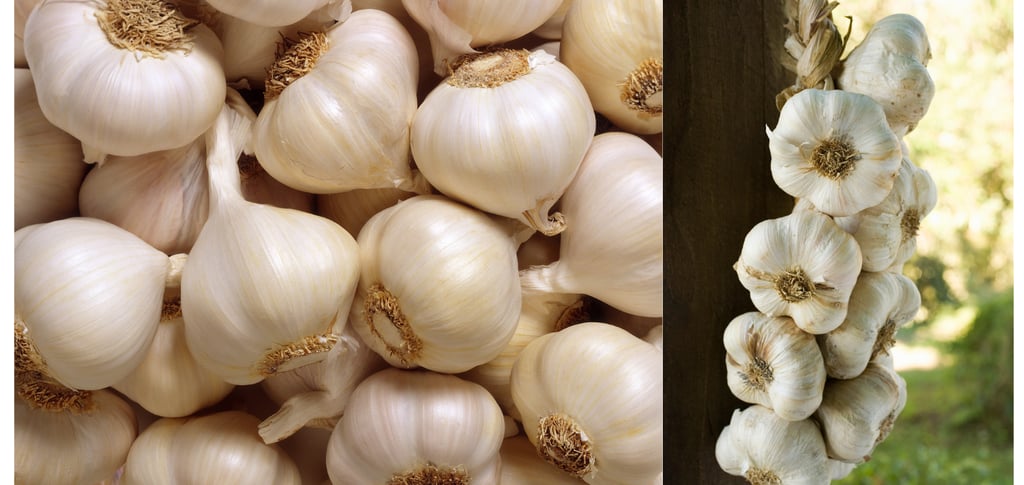
Garlic a bulbus crop, considered one of the ancient crop cultivated by human being. Some reference mentions that the garlic was used as healer of wound and anti bacterial medicine extensively war field, especially world war second. As early as 1858, Luis Pasteur, a famous medical microbiologist determined that sulfhur compound present in garlic had great anti bacterial properties. In recent days, garlic is well known for its culinary, Nutra and pharmaceutical importance. Adding of garlic to any dishes brings flavor and aroma to make them more delicious and richness of essential minerals and Vitamins makes the recipe more healthier.
As an agricultural crop, garlic is high price fetching commodity. At the same time cultivation of garlic is input intensive in terms of labor, seed and fertilizer requirement. Climate sensitivity of the crops also adds quite a bit of concern in garlic cultivation.
Chaina and India are major producers of garlic. In India Madya Pradesh, Gujarath, Uttarpradesh, Rajasthan are the major garlic producing states.
Soil and Climatic Requirements for Garlic
Garlic thrives well during short and cool days seasons. Temperature suited for cultivation of the crop ranges from 12-24°C . Studies have shown that garlic requires shorter and cool days for vegetative growth and warmer and longer days for bulb initiation and development.
Light textured sandy loam or silty loams kind are preferred for garlic cultivation to aid the plant growth and bulb formation. Soils rich in humus and Potassium is considered best. Extremely acidic may affect bulb formation and development ant to be avoided. Heavy clay soils may lead to water stagnation, poor aeration and cause rotting of bulbs and roots.
Vernalisation : It is a process where seed bulbs or cloves meant for propagation are exposed to severe cold for several weeks. The same is applied to garlic plants in the field to initiate flowering and bulb formations and division of bulbs into cloves. This ensures the breaking of dormancy in seeds and plants as well. Without vernalisation garlic leads to poorly formed, undivided bulbs. If natural vernalisation is not possible for seeds or cloves, they are artificially vernalized by using refrigerators. Maintaining the temperature inside the fridge less than 7°C for 7 to 10 weeks.
Sowing and planting of garlic:
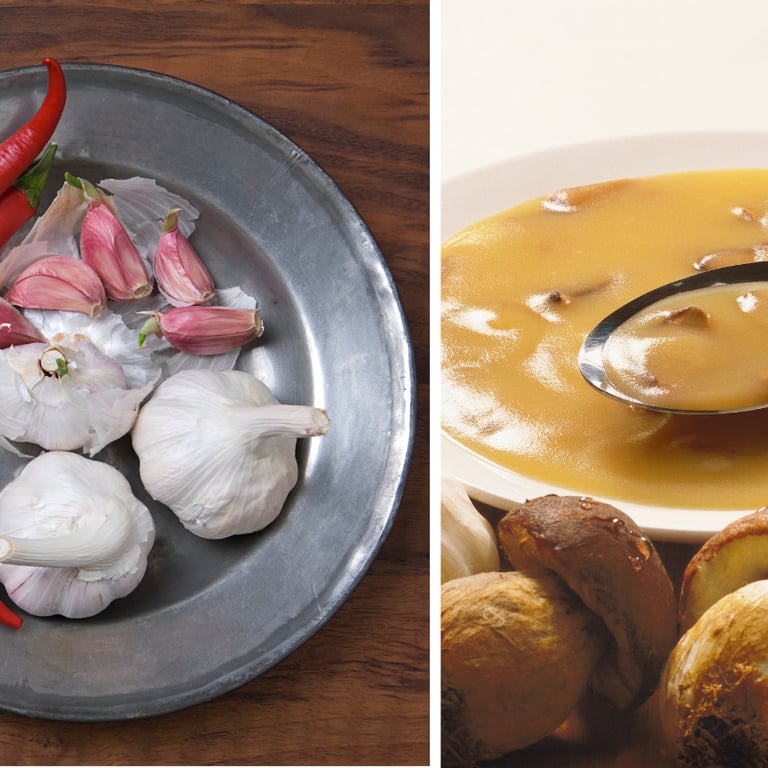
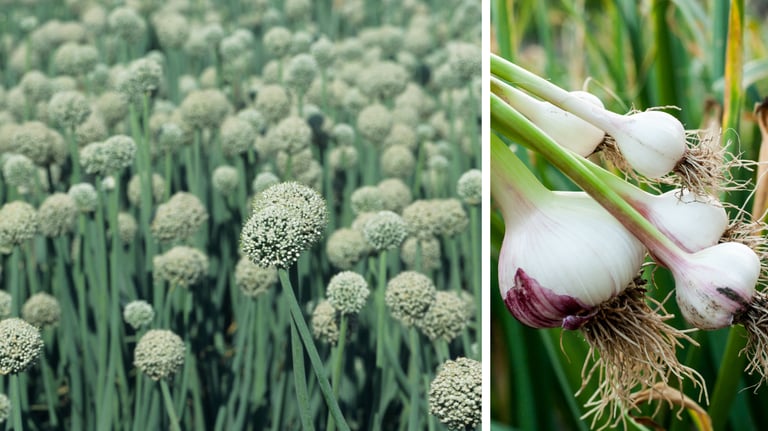
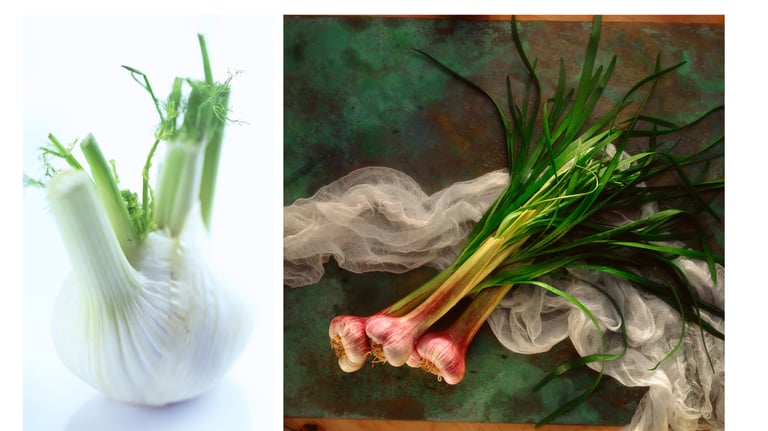
Garlic prefers well aerated light soils to compact heavy soils. Land is prepared to break the clods and compactness. Enough organic matters are added. For sowing purpose cloves have to separated from bulb keeping papery peel intact. Cloves are planted tapering side up and rooted portion down, at a distance of 15 to 20 cm. Sown beds are mulched with straws, dried leaves and watered regularly.
Insect Pests Affecting Garlic:
Cultivation of garlic mainly affected by sap sucking insects like aphids, smudges, thrips etc. Other leaf eating insects like cutworms may also make enough damage if unattended. Thrips (Thrips tabasi) has reported to cause considerable damage by sucking saps, leading to loss of plant vigor. Garlic maggots (Dalia antiqua) are juveniles of some flies bores at roots and bulbs, thus affecting quality and quantity of cloves. Bulb mites (Aceria tulipae) are minute mites that feed on bulbs in field and during storage leading to dry rot. Tobacco caterpillar (Spodoptera litura), may feed on leaves and cause damage to some extent.
To manage the insects, integrated measures may be under taken. Sticky traps may be used to monitor the thrips. Spraying the water with jet nozzles may take care of thrips initially. Light traps are useful to monitors and control tobacco caterpillars. Spray of Neem Seed Kernel Extract @ 5% may take care of thrips infestation.
Nematode infestation may also become disaster for garlic cultivation if not detected and controlled in time. Nematodes species like Ditylenchus dipsaci may feed on roots and bulbs of garlic.
Diseases of garlics:
Being a warm weather succulent crop, garlic attracts quite a few number of pathogens and bulb production and yield suffers. White rot, basal fusarium rot and neck rots are the important diseases affecting garlic.
White rot is characteristics of fuzzy white growth at base of the bulb where bulbs start rotting. Areal symptoms of the disease are yellowing and wilting of leaves. Fusarium basal rot another fungal disease that affects the basal part of the shoot along with the roots. This condition softens the bulbs and leads to their decay. In case of incident of rust disease, shoots and leaves shows brown or orange colored powdery pastules. Keeping the field weed free, removal of debris of old season, destruction of affected plants, use of disease free seed materials are the measures to curtail the disease incidences.
Neck rot is a post harvest disease associated with improper curing, drying and handling of bulbs. Here neck portion of the bulbs start developing a gray fungal mold, sunken spot at the neck of the bulbs.
Harveting and Curing of Garlic
Time of harvest is also a important factor to be considered in garlic cultivation. The bulbs should be matured enough but not be over ripened where cloves start getting separated. The garlic is ready to harvest when the cloves completely occupies wrappers. Attaining of maturity of bulbs are arealy indicated by yellowing of bottom leaves, leaving top three of them still green. Watering to the crops to be completely stopped few weeks prior harvest.
The bulbs are uprooted carefully by hand tools or using machineries by loosening the soil around them. Care to be taken that bulbs should not be wounded or bruised so that less scope for fungal infection during storage. Avoid rubbing or banging of harvested plants to avoid damage to bulbs. The bulbs are carefully cleaned of mud or dirt or dust by brushing. Avoid washing or dipping in water while process of cleaning.
Drying: Proper drying the garlic bulbs after harvest is very important to keep their quality intact and make them store worthy and merchantable. Tie the harvested plants (5-6 plants) along with bulbs in bundles. The tiny bundles are made to hang from rope or wire or mesh. Keep them for drying under shade in well ventilated places. Depending on the climate prevailed it takes 2-4 weeks for drying. Reaching of proper drying condition is indicated by attaining of wrapper of the bulbs crispiness and papery textures and wrappers to be able peeled off easily. After drying, shoot portion is cut one inch above the bulbs. Roots are sniffed of at the base of the bulb.
Store the garlics in well ventilated, dry places. Breathable containers like card board boxes, meshes are used for storing. Humid places are avoided for storing as cloves may sprout or rot.
Newsletter
Sign up for our newsletter and get notified about all new posted articles.
ADDRESS
House No. 2-113(P), Visnumurthynagar, Kelarkalabettu, Thenkanidiyuru, Udupi
cONTACT
7975809540
satishmqc362@gmail.com